
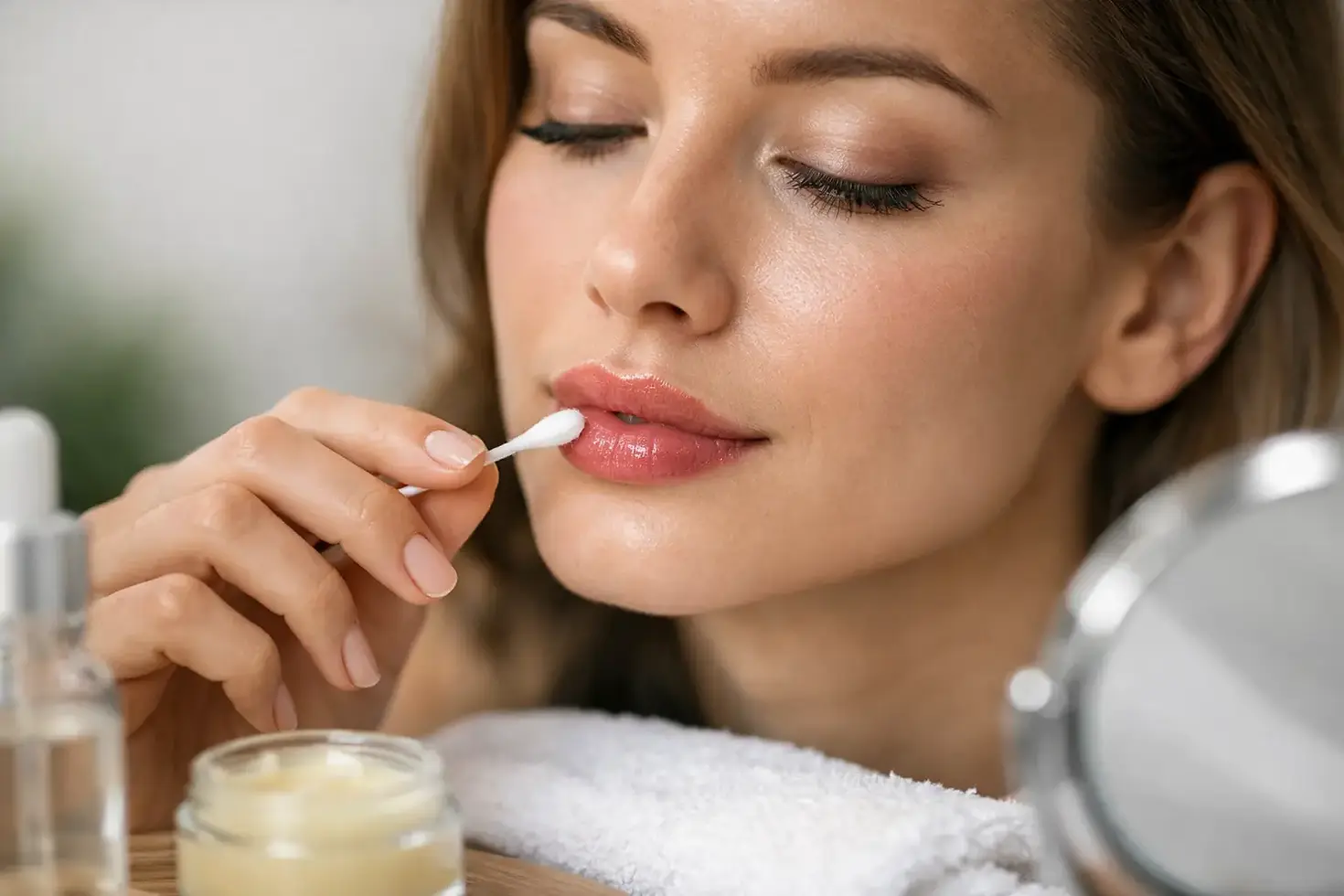
How to Care for Lip Blush While It Heals

Your lip blush will look most defined immediately after your appointment, then soften considerably as it heals. That shift can feel surprising if you are expecting the fresh color to remain unchanged. Knowing how to care for lip blush helps protect your investment, support an even heal, and give your customized color the best opportunity to settle beautifully.
Lip blush is designed to enhance the tone, shape, and balance of your natural lips, not create a heavy lipstick effect. The aftercare period is part of that artistry. Be gentle, stay patient, and remember that the healed result, not the first-day result, is the one that matters.
How to Care for Lip Blush During the First 10 Days
Your artist's instructions should always come first. Healing needs can vary based on your skin, the pigment used, your treatment plan, and whether you are prone to dryness or cold sores. Still, the central principle is consistent: keep the area clean, protected, and free from unnecessary friction, moisture, or irritation.
The first 24 hours: protect the fresh work
Your lips may feel tender, tight, or mildly swollen after treatment. This is expected for many clients and generally settles quickly. Color may also appear brighter, warmer, or more saturated than intended at this stage. Do not judge the final shade yet.
Use the aftercare product provided or recommended by your artist exactly as directed. A very thin, clean layer is usually the goal. Overapplying ointment can leave the lips overly wet and interfere with the healing surface, while too little protection can leave them uncomfortable and prone to cracking.
Avoid touching your lips unless you have washed your hands first. Be mindful while drinking, eating, brushing your teeth, or changing clothes. For the first day, keep water, steam, and food residue away from the treated area as much as possible. If you have been instructed to gently blot the area, use a clean, soft material and a light touch rather than rubbing.
Days 2 through 5: expect dryness and flaking
This is often the stage when lip blush looks a little uneven. Your lips may feel dry, and small flakes can develop as the surface heals. It can be tempting to exfoliate, pick, or pull at loose skin, especially when one area seems to be healing faster than another. Resist that temptation.
Picking can remove pigment before it has had time to settle and may lead to patchy healing. Let flakes release naturally. Continue using a minimal amount of approved aftercare product and avoid lip scrubs, exfoliating acids, retinoids, plumping glosses, and makeup on the lips.
Choose simple foods when possible, particularly during the first few days. Very spicy, salty, acidic, or hot foods can sting and may make the lips feel more irritated. Take smaller bites, use a straw only if it feels comfortable and hygienic, and gently cleanse any food residue according to your artist's instructions. The goal is not to make your routine difficult. It is simply to reduce avoidable contact while the skin is vulnerable.
Days 6 through 10: do not be alarmed by a lighter phase
As flaking finishes, your lip color can look significantly lighter or even seem to disappear temporarily. This is a normal part of the process for many clients. Fresh pigment is still settling beneath the surface, and the tone often returns gradually over the following weeks.
Continue avoiding exfoliation and keep your lips comfortably hydrated with the approved product. Once your artist confirms it is appropriate, you can return to your regular lip balm. Until then, avoid introducing a new product that could cause sensitivity or interfere with healing.
What to Avoid While Lip Blush Heals
A clean, quiet healing environment gives lip blush the best chance to settle evenly. For roughly 7 to 10 days, or for the timeline your artist provides, avoid soaking the lips in pools, hot tubs, oceans, and long steamy showers. Skip saunas, intense heated workouts, and activities that cause heavy sweating during the earliest healing phase.
Sun exposure deserves special attention. UV rays can affect the appearance of cosmetic tattoo pigment, particularly while the skin is healing. Keep lips out of direct sun when possible. After healing is complete and your artist has cleared you to do so, make SPF lip protection part of your everyday routine to help maintain the clarity of your color.
Avoid kissing, oral contact, and sharing drinks, utensils, or lip products during the early healing period. This is not about being overly cautious. Freshly treated skin has a compromised barrier, so reducing bacteria and friction is simply good aftercare.
If you receive injectable lip treatments, dental work, facials, chemical peels, laser treatments, or other services around the mouth, ask your artist when it is safe to schedule them. Timing matters. A little planning protects both your lip blush and the results of your other treatments.
Cold Sores and Lip Blush Aftercare
If you have ever experienced cold sores, tell your artist before your appointment, even if you have not had one recently. Lip tattooing can trigger an outbreak in clients who are susceptible. Your medical provider may recommend an antiviral medication before and after the service.
Do not self-diagnose a reaction or assume that every change in texture is part of routine healing. Contact your artist promptly if you are unsure what you are seeing, and seek medical guidance when symptoms require it.
When to reach out for support
Mild tenderness, tightness, and flaking are commonly associated with healing. However, contact your artist and, when appropriate, a medical professional if you notice any of the following:
Increasing pain, heat, swelling, or redness after the first couple of days
A spreading rash, significant itching, or hives
Thick discharge, an unusual odor, or other signs of infection
A suspected cold sore outbreak or a reaction to an aftercare product
Early communication is always better than trying to manage a concern alone. Your artist can help distinguish between expected healing changes and a situation that needs additional care.
Be Patient With the Color Reveal
Lip blush does not reveal its final color overnight. The pigment typically settles over several weeks, and it may heal softer, cooler, or more translucent than it appeared immediately after your appointment. This is intentional. Refined permanent makeup is meant to live naturally with your complexion, your lip tone, and the way you prefer to wear makeup day to day.
Most lip blush services include or recommend a perfecting session after the initial healing period. This appointment allows your artist to assess color retention, refine the shape if needed, and build definition thoughtfully. Not every client retains pigment in the same way. Skin characteristics, lifestyle, medication, sun exposure, and aftercare all influence the outcome, which is why a customized plan matters.
At Golden Compass, lip blush is approached as a tailored enhancement rather than a one-shade service. Following aftercare carefully gives that personalized artistry room to develop into a soft, polished result.
Once your lips are fully healed, treat them with the same care you give any beautiful cosmetic detail: hydrate regularly, protect them from the sun, and schedule future color refreshes based on how your unique result fades. The most elegant lip blush should look like it has always belonged to you.


Comments