
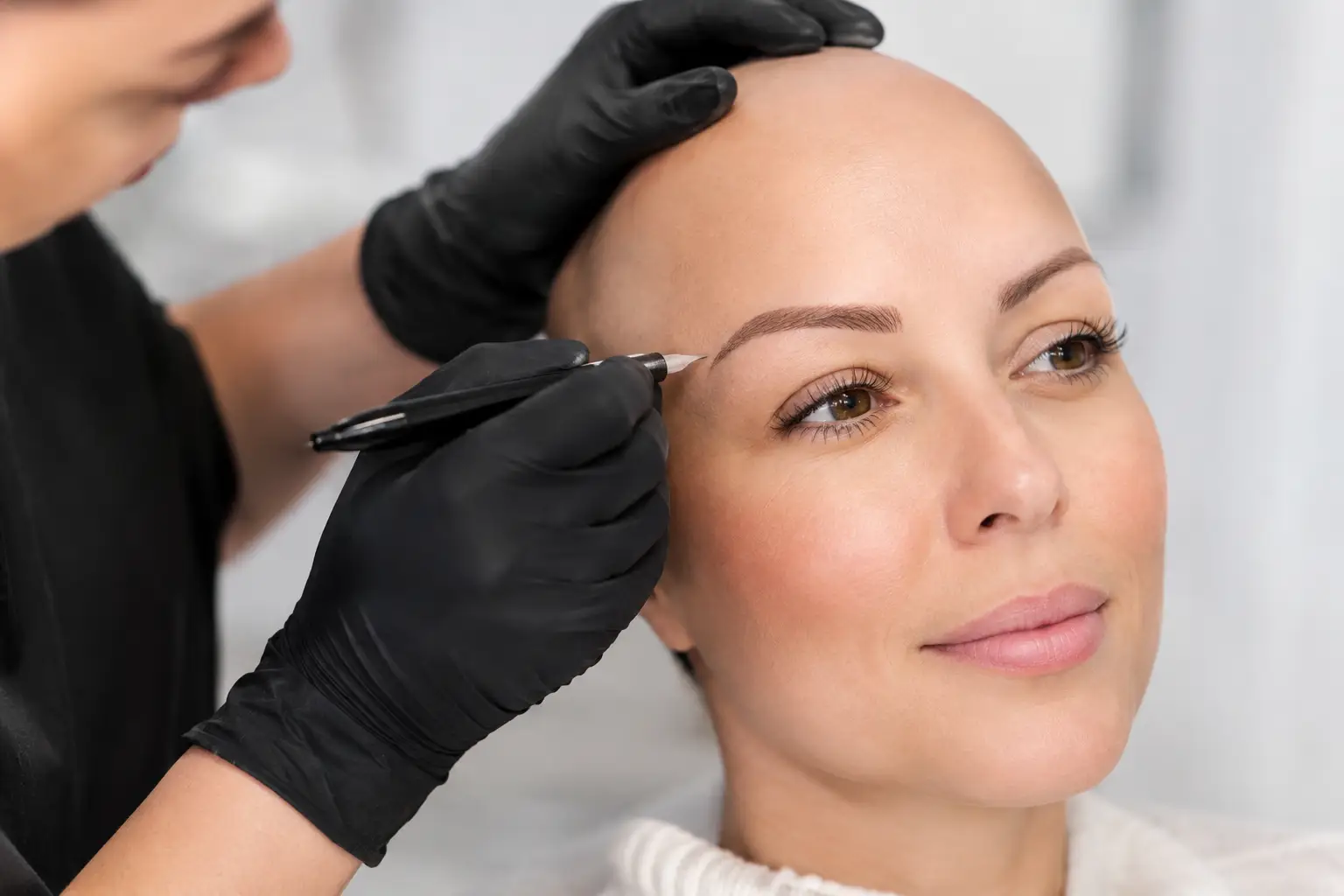
Permanent Makeup for Alopecia: A Natural Brow Plan

For someone living with alopecia, losing eyebrow hair can change more than a morning makeup routine. Brows frame expression, bring balance to the face, and often feel deeply connected to personal identity. Permanent makeup for alopecia offers a considered way to restore that definition with custom artistry designed to look soft, believable, and true to you.
The goal is not to create a stamped-on brow or replicate a trend. It is to design a natural-looking brow shape, density, and color that complements your facial profile, skin tone, and preferred level of polish. With the right planning and a skilled artist, cosmetic tattooing can reduce daily effort while helping you feel more like yourself when you look in the mirror.
What Permanent Makeup Can and Cannot Do for Alopecia
Permanent makeup is a cosmetic enhancement, not a treatment for hair loss. It does not stimulate follicles or change the course of alopecia. What it can do is create the visual impression of eyebrows where hair is sparse or absent, using pigment placed precisely within the skin.
For clients with little to no natural brow hair, this distinction matters. Rather than relying on existing hairs to guide the design, the artist builds the brow from the ground up. Placement, symmetry, stroke direction, pigment selection, and softness at the front of the brow all become especially important.
Alopecia can appear in different ways. Some people experience patchy eyebrow loss with alopecia areata, while others have more extensive or total hair loss. There are also clients whose hair loss is stable and those whose condition is actively changing. The best approach depends on your individual pattern of loss, skin condition, medical history, and aesthetic goals.
Why a Customized Brow Design Matters
Brows for alopecia require more than choosing a shape from a menu. Without natural hairs to soften the edges, an overly dark color, a sharp outline, or a brow placed too high can look artificial quickly. A refined result is built in layers, with proportion and restraint.
During a detailed consultation, your artist should consider the width of your forehead, eye placement, bone structure, facial symmetry, and the expressions you make naturally. Your lifestyle matters, too. Some clients want an understated brow that feels appropriate without additional makeup. Others prefer a more defined design that replaces the look they once created with pencils or powders.
At Golden Compass, the intention is always a fully customized, luxury experience. That means designing brows around the person in the chair, not forcing every client into the same arch, color, or level of saturation.
Soft powder brows can create dependable definition
For many clients with alopecia, a soft powder or shaded brow effect is an excellent option. This technique uses delicate layers of pigment to create a diffused, makeup-like finish. It can be airy and subtle or slightly more polished, depending on your desired result.
Because powder brows do not depend on blending individual tattooed strokes into natural hair, they can be particularly effective for clients with complete eyebrow loss. The healed effect should not resemble a solid block of color. When performed thoughtfully, it has gentle transitions and a natural softness, especially at the brow front.
Nano hairstrokes may be appropriate in select cases
Nano hairstroke brows use a tattoo machine and a fine needle configuration to create realistic, hair-like strokes. This advanced technique can offer beautiful dimension when there is enough natural hair to support the illusion or when a client prefers an exceptionally detailed result.
However, nano strokes are not automatically the right answer for every person with alopecia. On completely bare skin, individual strokes may be more noticeable because there are no surrounding hairs to blend with them. Skin type, oil production, healing response, and the extent of hair loss all influence whether strokes, shading, or a combination approach will age most gracefully.
The most sophisticated choice is not always the most intricate technique. It is the technique that produces the most natural healed result for your skin and circumstances.
Timing Matters When Alopecia Is Active
Alopecia can be unpredictable. If eyebrow loss is actively progressing, or if the skin around the brow area is irritated, inflamed, broken, or healing from a flare, it may be wise to postpone cosmetic tattooing. Pigment should only be placed into healthy, intact skin.
Clients with autoimmune-related alopecia should speak with their physician or dermatologist before scheduling. Medical clearance may be appropriate depending on medications, current symptoms, and overall health history. This is not about creating unnecessary barriers. It is about protecting your comfort, supporting good healing, and making a thoughtful investment in your result.
Stable hair loss does not guarantee that future changes will not occur. If hair regrowth happens later, permanent makeup can still coexist with it, but the appearance of the brows may evolve. A conservative, natural design generally gives you more flexibility than a dramatic brow shape or very dark pigment.
What the Appointment Process Feels Like
A permanent makeup appointment should feel collaborative, never rushed. Before pigment is placed, the brow area is measured and mapped. You will have the opportunity to review the proposed shape, discuss your comfort level with definition, and make adjustments before the procedure begins.
Color selection is equally personal. Many first-time clients worry that permanent makeup will heal too dark or too warm. Fresh pigment often looks stronger immediately after an appointment, then softens as the skin heals. Your artist should select a pigment tone based on your complexion, undertones, desired brow color, and the way pigment is expected to heal in your skin.
Topical numbing is commonly used to support comfort throughout the procedure. Most clients describe the sensation as manageable, though sensitivity varies from person to person. Plan for your initial appointment and a perfecting session, typically scheduled after the brows have healed. That second visit allows the artist to refine areas where the skin retained pigment differently and create more even, lasting definition.
Healing and Long-Term Maintenance
Healing is part of the artistry. In the first days after treatment, brows may appear darker, warmer, or more defined than the final healed result. Light flaking can occur as the skin renews itself. Avoid picking, scratching, soaking the area, applying makeup directly over healing brows, and exposing them to excessive sweat, sun, or swimming until your artist advises otherwise.
Following aftercare instructions carefully gives your brows their best chance of healing evenly. This is especially important for clients who have spent years using brow makeup and may instinctively want to fill in or adjust the area during healing. Patience is part of achieving a soft, polished result.
Cosmetic tattooing is often called permanent makeup, but pigment fades gradually over time. Longevity varies with skin type, sun exposure, skincare ingredients, immune response, and lifestyle. Most clients benefit from periodic color refresh appointments to maintain the desired tone and definition. The right maintenance schedule is personal, not one-size-fits-all.
Questions to Ask Before Choosing an Artist
When considering permanent makeup for alopecia, look beyond before-and-after photos alone. Ask whether the artist has experience working on clients with sparse or absent brows, how they decide between hairstrokes and shading, and what their approach is for conservative first sessions.
You should also understand the studio's health and safety practices, healing process, touch-up policy, and recommendations for medical clearance. A reputable artist will be honest about candidacy. If your skin is not ready, your condition is unstable, or your expectations cannot be met safely, postponing is a sign of professional care.
Bring reference photos if they help communicate your preferences, but remain open to a design tailored to your face. The brow you admired on someone else may not be the brow that brings the most balance to your own features.
Alopecia may have changed your relationship with your reflection, but your brow design can still be intentional, elegant, and entirely your own. Start with a consultation that values your health, listens to your goals, and gives artistry the time it deserves.


Comments