
Saline Removal Versus Laser Removal: Which Fits?

A cosmetic tattoo that once felt right can eventually feel too dark, too warm, too cool, or simply unlike the person you are now. When comparing saline removal versus laser removal, the best choice is rarely about finding one universally “better” method. It is about understanding your existing pigment, the area being treated, your skin, your removal goals, and the amount of fading needed to create a more refined next step.
For brows, lip blush, beauty marks, and small tattoos, removal should be approached with the same intention as the original service. A thoughtful plan can help make space for a correction, a softer redesign, or a clean return to your natural features.
Saline Removal Versus Laser Removal: The Core Difference
Both methods are designed to reduce unwanted tattoo pigment, but they work in very different ways.
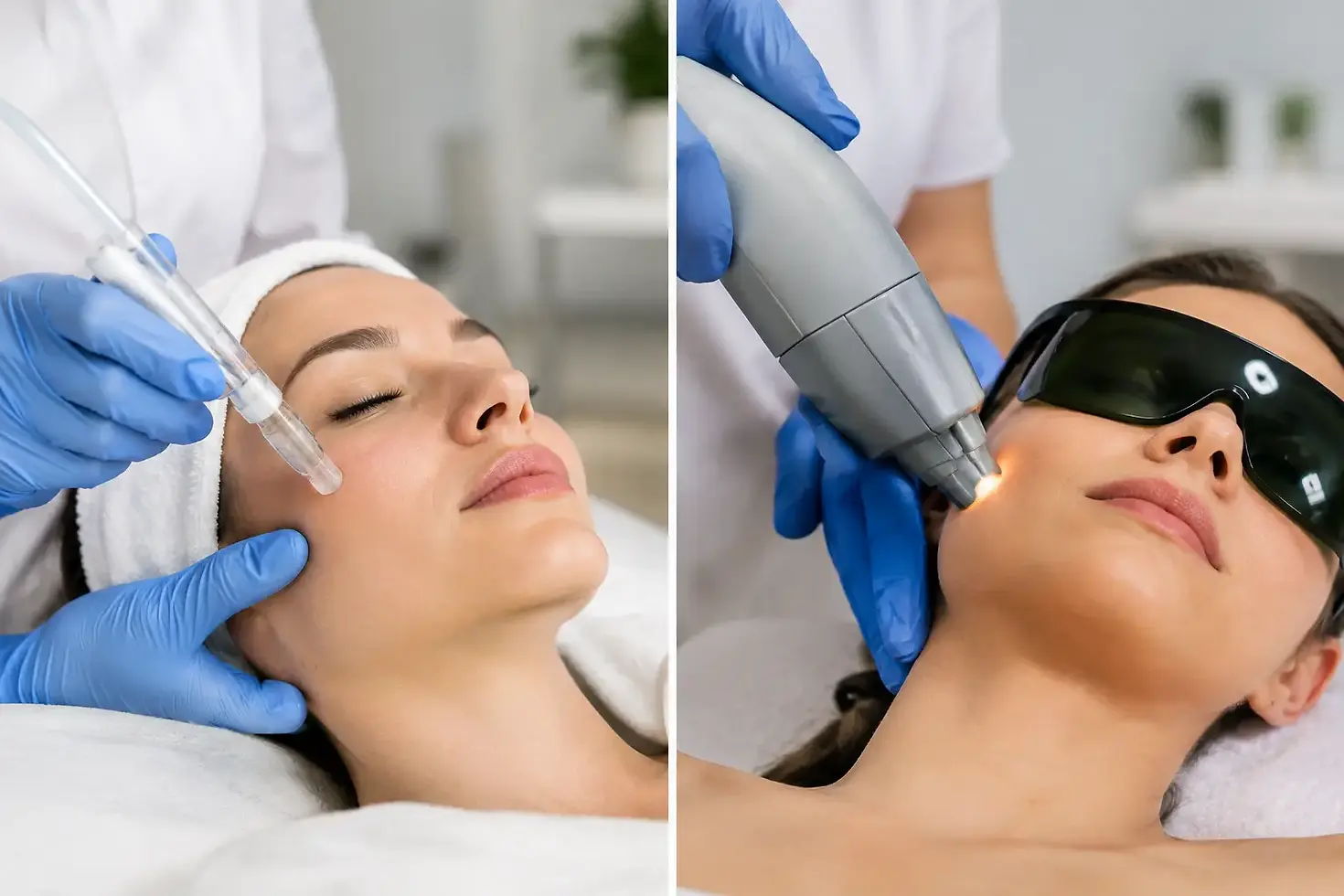
Saline removal uses a specialized salt-based solution implanted into the skin with a tattooing device. The process creates a controlled opening in the skin, and the solution works through osmosis to help draw pigment toward the surface as the area heals. Some pigment may lift away with the healing crust, while additional fading can continue through a series of carefully spaced sessions.
Laser removal uses focused light energy to target pigment beneath the skin. That energy breaks the pigment into smaller particles, which the body gradually clears through its natural processes. Different laser wavelengths may be selected based on the pigment color and how that pigment responds to treatment.
Neither option is an instant erase button. Cosmetic tattoo removal is a process, and every treatment plan should leave room for how the skin and pigment respond over time.
When Saline Removal May Be the Better Fit
Saline removal is often considered for cosmetic tattoo work, particularly when the goal is targeted fading or correction in a small area. It can be useful for fresh work that needs prompt attention, isolated strokes outside a desired brow shape, small beauty marks, or pigments that may be difficult to predict with laser treatment.
One reason clients consider saline is pigment composition. Permanent makeup pigments can contain a mix of colorants, including iron oxides. In some cases, laser energy can cause certain pigments to temporarily darken or shift in color before they fade. This does not mean laser is inappropriate, but it does mean pigment history and a proper test spot matter.
Saline may also appeal to a client who wants a treatment focused precisely on a few unwanted marks rather than the full tattooed area. For example, if a brow has a few strokes that sit too far above the ideal shape, a targeted saline session may be part of a correction plan.
There are trade-offs. Saline removal creates a visible healing phase, and protecting the treated area is essential. The area may appear darker at first, form a crust, and fade gradually as healing progresses. Picking, scrubbing, over-moisturizing, or returning to makeup too early can interfere with healing and increase the risk of unwanted texture changes.
Saline removal is not always gentle just because it is non-laser
“Non-laser” does not mean no downtime or no risk. Any procedure that intentionally disrupts the skin requires skilled technique, appropriate depth, conservative treatment planning, and careful aftercare. Skin response varies, especially when there is prior scar tissue, repeated tattooing in the same area, or a history of challenging healing.
The goal is not to force pigment out in one aggressive appointment. The goal is controlled, healthy fading that respects the condition of the skin.
When Laser Removal May Be the Better Fit
Laser removal is often favored for larger areas of unwanted tattoo pigment, deeper or more saturated color, and certain body tattoo inks. It can be an efficient option when there is substantial pigment to address and the pigment has been evaluated for laser suitability.
For clients with old brow tattooing that has migrated, turned noticeably blue-gray, or covers a broad area, laser may offer a practical way to reduce overall density before a future brow redesign. The same can be true for small body tattoos when the desired outcome is significant fading rather than a tiny, targeted correction.
A qualified laser provider may recommend a test spot before treating the full area, especially with cosmetic tattoo pigment. This can reveal whether the pigment lightens as expected, changes tone, or darkens. A test spot is not a delay for its own sake. It is a useful safeguard when planning treatment around the face.
Laser sessions are also spaced apart to allow time for the body to process fragmented pigment and for the skin to recover. The treatment itself may be brief, but the full removal journey requires patience. A series can take months, depending on the age, depth, density, and color of the tattoo.
Pigment behavior matters more than a one-size-fits-all rule
Cosmetic tattoo pigments are not all alike. A brown brow may contain red, yellow, black, or white modifiers. As darker particles fade, warmer undertones can become more visible. A previously soft lip color may respond differently than a traditional black body tattoo. This is why a provider should never promise an exact number of sessions or guarantee a perfectly blank canvas.
The more transparent conversation is also the more reassuring one: your provider can explain the likely path, monitor the response at each visit, and adjust the plan when needed.
What Determines the Number of Sessions?
Whether you choose saline or laser, the number of sessions depends on more than the tattoo’s appearance on day one. The pigment’s formulation, how deeply it was placed, its saturation, its age, prior removal attempts, and the condition of the surrounding skin all influence the timeline.
An older cosmetic tattoo may have faded naturally and require less work than a newly saturated one. On the other hand, an old tattoo that has been refreshed multiple times can hold a substantial amount of pigment in the skin. Skin that has undergone repeated tattooing, microblading, or removal treatments may need a slower, more conservative approach.
Your individual immune response also plays a role, particularly with laser removal. Some clients see meaningful change after an early session, while others need more time between treatments before the fading becomes clear.
Choosing a Method for Brow Correction
If your goal is new brows, complete removal may not be necessary. In many cases, the purpose of removal is to create enough room and lightness for a fresh, well-designed result. That distinction can save time, preserve skin quality, and keep the treatment plan focused on what you actually want to see in the mirror.
For example, a client may only need a few overly dark areas softened before receiving Nano Hairstroke Brows tailored to their facial profile. Another client may need broader removal before any new brow work is considered. The right answer depends on whether existing pigment will compete with the new shape, color, and hair-stroke detail.
At Golden Compass, that assessment begins with the existing work, not with a predetermined removal method. A refined result depends on knowing when the skin is ready for its next chapter and when it needs more time.
Questions to Ask Before You Commit
A consultation should give you clarity, not pressure. Ask which method is recommended and why, whether your pigment carries a risk of color change, and whether a test spot is appropriate. You should also understand the expected healing period, how many sessions may be needed, and when it would be safe to consider new permanent makeup.
Share as much history as possible. Bring photos of your brows or tattoo before prior sessions if you have them. Let your provider know about previous removal, skin sensitivities, scarring tendencies, medical conditions, medications, and recent skincare treatments. Retinoids, exfoliating acids, injectables, and certain prescriptions may affect timing or preparation.
A reputable provider will also be clear about what they cannot predict. Skin healing and pigment response are personal. Honest expectations are part of luxury care because they protect both the integrity of your skin and the quality of your eventual result.
Aftercare Is Part of the Result
Removal does not end when the appointment does. Follow your provider’s instructions exactly, keep the area clean and protected, and avoid picking at flaking skin or crusting. Avoid sun exposure, swimming, sweating heavily, and applying makeup or active skincare products until you have been cleared to do so.
If you notice signs of infection, unusual swelling, increasing pain, or a reaction that concerns you, contact a qualified medical professional promptly. Cosmetic tattoo removal should always be paired with thoughtful safety practices.
The right removal plan creates possibility: softer brows, a corrected shape, room for a more natural-looking enhancement, or simply the confidence of seeing a choice evolve with you. Give your skin the patience it deserves, and let every next step be intentional.


Comments